
 Judith Andrea
Okay, so imagine this: you’re an 18th-century empress ruling the biggest country in the world. You’ve got palaces sprawling for miles, and you need furniture that screams, “Yeah, I’m the boss.” That’s pretty much how Catherine the Great’s Furniture came to be. Not just fancy chairs and tables—nope. This stuff was a full-on power move.
I mean, I tried decorating my living room once. Ended up with a lamp that looked like a disco ball and a couch that ate all my snacks. Catherine, though? She knew how to wield furniture like a pro. So let’s dive in, yeah? Because Catherine the Great’s Furniture is a wild ride of art, politics, and some serious style flex.
Who Was Catherine, Anyway?
First, lemme tell ya a little about the lady herself. Catherine II—born a German princess, married into Russia, then pulled off a coup to become empress in 1762. Talk about a glow-up. She was wicked smart, too. Corresponded with Voltaire, was big on the Enlightenment (that’s fancy talk for “Let’s get smarter, people!”).
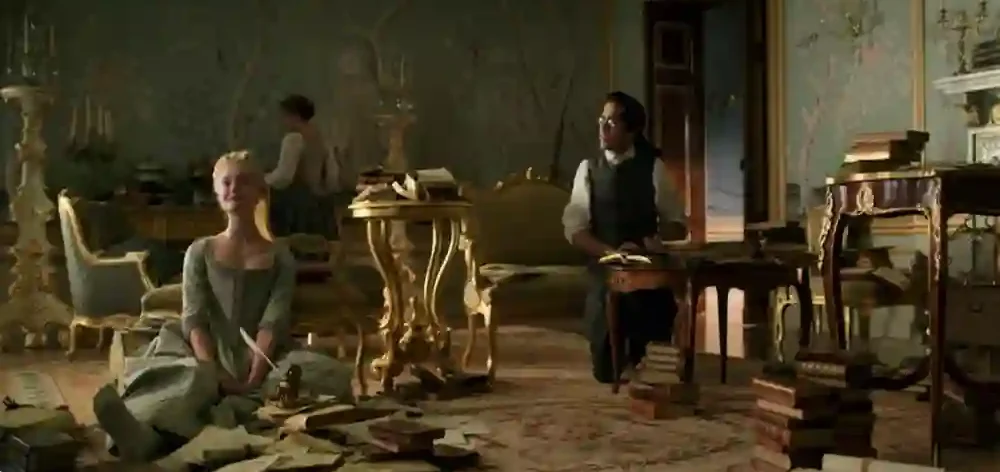
Anyway, she didn’t just sit on her throne twiddling thumbs. Nope, she remodeled palaces like a boss. And her furniture? Total game changer. Her style was a mash-up of French Rococo (all swirly and frilly) and Neoclassical vibes (think ancient Greece, but make it royal).
European Flair Meets Russian Swagger
Here’s where it gets interesting: Catherine the Great’s Furniture was all about blending European trends with Russian identity. The French Rococo style was heavy on curves and pastels—kind of like those fancy cupcakes that look too pretty to eat. She loved that early on. Then, later, she got into Neoclassicism. Clean lines, symmetry, and way less frills. Guess even empresses get tired of frills.
Political messaging was baked right into the furniture, too. Like, those chairs in the throne room? Taller than yours. Symbolic much? If you were an ambassador, you’d feel pretty small sitting next to her.
Where Did She Keep This Stuff?
- Winter Palace: This place is a monster of a palace. Every room packed with her signature pieces. The Green Dining Room, for example, had tables topped with malachite—looked like giant chunks of precious stone. Fancy, right?
- Catherine Palace in Tsarskoye Selo: The real showstopper. You know those fancy movies where everything’s gold and shiny? Yeah, this is where that vibe was born. The furniture here included hand-painted dressers and beds with silk canopies. I’m pretty sure if you slept in one, you’d wake up feeling like a million rubles.
Materials That Would Make Your Jaw Drop
Okay, get this: Catherine didn’t mess around with plywood or whatever IKEA uses. We’re talking mahogany, rosewood, gold leaf (and lots of it), malachite, and lapis lazuli. These weren’t just materials—they were status symbols.
I once saw a coffee table with malachite inlays that made me wonder if someone accidentally robbed a jewelry store. The craftsmanship was insane—think marquetry (that’s fancy for inlaid wood designs), gilded bronze mounts called ormolu, and silk upholstery so fine you’d swear it was spun by unicorns.
Top Pieces You Should Know About
The Gilded State Throne
If thrones had Tinder profiles, this one would be “Gold Digger.” Solid wood wrapped in 24-carat gold leaf with red velvet cushions monogrammed with Catherine’s royal crest. It was the statement piece, designed to make visitors feel like peasants (literally and figuratively).
Writing Desks
Catherine was no slouch—she wrote letters, policies, and probably some snarky notes to friends. Her desks had secret compartments (perfect for hiding love letters or spy notes). Some even had built-in clocks—because who needs a wall clock when your desk tells you the time?
Canopy Beds
These beds were the Versailles of sleep. Tall posts, silk drapes, carvings of Greek gods—you name it. I like to imagine her waking up like a queen every morning, while I’m still searching for my socks.
Museums Holding Her Legacy Today
Wanna see Catherine the Great’s Furniture in the flesh? Hit up:
- The Hermitage Museum in St. Petersburg. It’s like the mecca for Russian imperial stuff.
- Victoria and Albert Museum in London sometimes hosts Russian exhibits.
- The Met in New York occasionally shows off pieces inspired by her style.
Fun fact: The Hermitage has the original state throne, and if you get close enough, you can almost feel the history seeping from the gold leaf.
Why Was This Furniture More Than Just Pretty?
Here’s the kicker: Catherine the Great’s Furniture wasn’t just about showing off wealth. It was political theater. Lions’ heads on armrests said, “I’m brave.” Double-headed eagles screamed empire power. Laurel wreaths meant victory.
Every curve and line was a coded message. Kinda like how I hide snacks behind my books—except way more elegant.
Public Spaces vs. Private Nooks
In public, her furniture was all about wow. Big, gilded, bright reds and golds everywhere.
But in her private rooms? The vibe was softer. Pastel upholstery, smaller scale, and actual comfort. (I mean, even an empress needs a cozy nook, right?)
The Never-Ending Battle to Preserve These Treasures
Guess what? Wars, renovations, and just plain time didn’t do these pieces any favors. Restoration is a massive job.
I once tried fixing a scratched table with toothpaste. Don’t ask. Restoration experts actually use old manuscripts and paintings to get the details right. They hand-gild, weave silk, and source materials that match the originals.
One piece restored recently? The Malachite Room tables. They look so good, you’d swear they just rolled out of the 18th century.
Can You Own a Piece of This History?
Originals? Uh, no way—they’re locked down in museums. But replicas? Hell yes. Some craftsmen make museum-quality copies. Look for:
- Hand-carved woodwork
- Real silk upholstery
- Historical accuracy
If you wanna feel like Catherine without the politics and palace drama, this is your chance.
Why I’m Still Obsessed with Catherine’s Style
I’ll admit it: I tried to DIY a Neoclassical chair once. Ended up with a “modern art” piece nobody wanted near. But Catherine? She nailed it.
Her furniture tells stories about power, personality, and the man—or woman—behind the throne. It’s a reminder that even in the 1700s, design could shape history.
Quick Cheat Sheet on Catherine the Great’s Furniture
- Styles: Rococo early on, Neoclassical later
- Materials: Mahogany, gold leaf, malachite, silk
- Big Pieces: Throne, writing desks, canopy beds
- Where to See: Hermitage, Catherine Palace, The Met (sometimes)
- Legacy: Influences furniture design worldwide
Final Thought (Because I Can’t Stop)
So next time you sit down on a fancy chair, think of Catherine the Great’s Furniture. Not just stuff you sit on—statements carved in wood, gilded with gold, and wrapped in history.
I gotta say, if furniture could talk, hers would say, “Bow down, peasants.” And honestly? I’d listen.


 Zachary Douglas